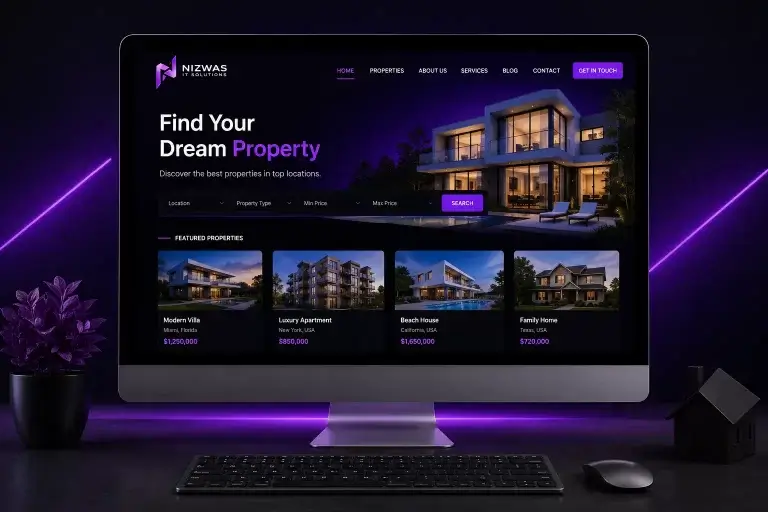
The real estate industry has become more competitive than ever. Buyers and sellers no longer rely only on newspaper advertisements or local agents to find properties. Today, almost every property search begins online.
Whether someone is looking to buy their first home, invest in commercial property, rent an apartment, or sell a house, their first stop is usually Google. They search using phrases such as:
- Homes for sale near me
- Real estate agent in [City]
- Buy a house in [Location]
- Luxury apartments for sale
- Commercial property listings
- Property investment opportunities
If your business doesn’t have a professional and optimized real estate website, you’re losing valuable opportunities to competitors who are easier to find online.
A well-designed website is much more than an online brochure. It acts as a 24/7 lead generation platform, helping potential buyers and sellers discover your business, browse property listings, build trust, and contact your team whenever they’re ready.
Whether you’re an independent real estate agent, a property consultant, or a large real estate agency, your website can become one of your most powerful marketing tools.
Why Every Real Estate Business Needs a Professional Website
Today’s customers expect every real estate company to have a professional online presence.
Imagine two agencies competing for the same client.
Agency A
- Only has a Facebook page
- Shares occasional property photos
- No professional website
- Limited property information
- Difficult to contact
Agency B
- Professional website
- Fast loading pages
- Advanced property search
- Mobile-friendly design
- Customer testimonials
- Agent profiles
- Property inquiry forms
- Google Maps integration
- Helpful buying and selling guides
Which agency would you trust with one of the biggest financial decisions of your life?
The answer is obvious.
A professional website immediately establishes credibility and positions your business as reliable and experienced.
How Home Buyers Search for Properties Today
The way people search for real estate has completely changed.
Most buyers follow a similar journey before contacting an agent.
Step 1 – Search Online
Potential buyers begin by searching Google or other search engines.
Examples include:
- Houses for sale
- New apartments
- Residential plots
- Commercial office space
- Villas for sale
- Rental properties
- Real estate agents near me
Step 2 – Compare Multiple Websites
Instead of contacting the first agency they find, buyers compare several businesses.
They evaluate:
- Property listings
- Website quality
- Photos
- Property prices
- Customer reviews
- Company experience
- Agent profiles
- Contact options
The website that offers the best experience usually receives more inquiries.
Step 3 – Contact the Most Trustworthy Agency
Once buyers find a property they’re interested in, they want to contact the agent quickly.
If your website makes this process simple—with click-to-call buttons, inquiry forms, WhatsApp integration, and clear contact details you significantly increase your chances of generating qualified leads.
Your Website Works 24/7 to Generate Leads
Unlike traditional advertising that only works while your campaign is active, your website continues promoting your business every hour of the day.
Even when your office is closed, your website can:
- Display new property listings
- Capture buyer inquiries
- Collect seller leads
- Schedule property visits
- Showcase testimonials
- Highlight featured properties
- Answer common questions
- Build trust with potential clients
Every visitor who lands on your website is a potential customer. The better your website experience, the more likely they are to contact your business.
Why Your Website Is Your Most Valuable Salesperson
Think of your website as your best-performing sales representative.
It never takes a day off, never closes, and is always available to:
- Introduce your business
- Showcase available properties
- Explain your services
- Display success stories
- Build credibility
- Collect leads
- Encourage appointments
With the right design, SEO strategy, and lead generation features, your website becomes a long-term investment that consistently attracts qualified buyers and sellers.
First Impressions Matter More Than Ever
The average home buyer or property investor visits several real estate websites before contacting an agent. In many cases, your website creates the first impression of your business.
If your website looks outdated, loads slowly, or is difficult to navigate, visitors may leave within seconds and continue their search elsewhere.
On the other hand, a modern, professional website immediately communicates credibility, expertise, and trust.
Buying or selling a property is one of the biggest financial decisions people make. They want to work with an agency that appears reliable, knowledgeable, and easy to contact.
A professional website helps establish that confidence before the first phone call.
Essential Features Every Real Estate Website Should Include
A successful real estate website should do more than display property listings. It should guide visitors through their buying or selling journey and encourage them to contact your business.
1. Advanced Property Search
Visitors should be able to quickly find properties that match their requirements.
Include filters such as:
- Property Type
- City
- Neighborhood
- Price Range
- Bedrooms
- Bathrooms
- Property Size
- Property Status (Sale or Rent)
A simple search experience keeps visitors engaged and encourages them to explore more listings.
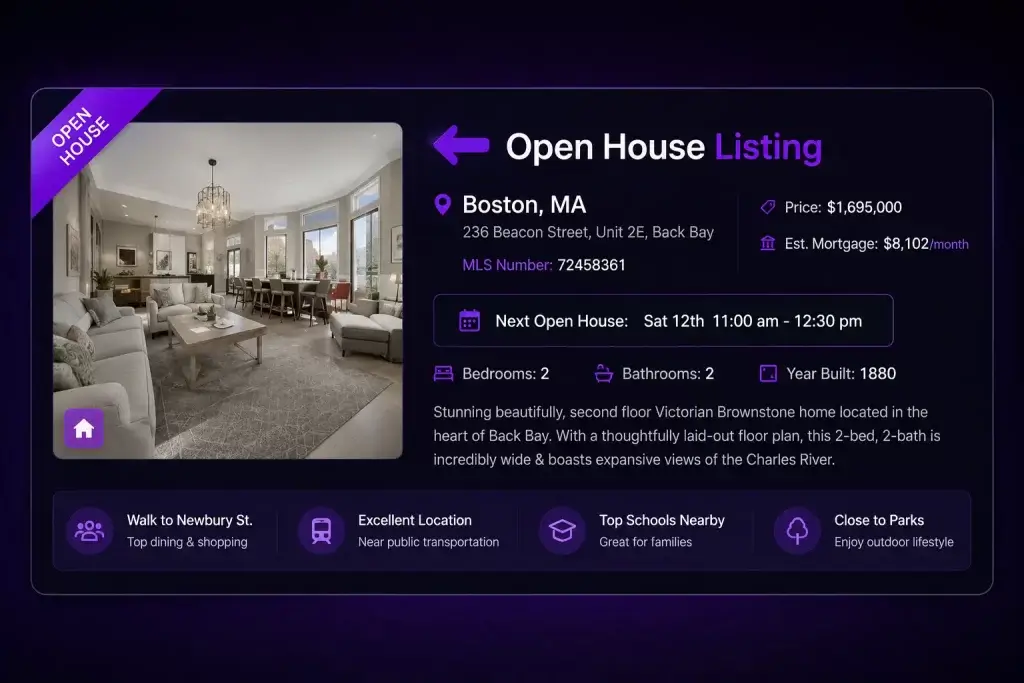
2. Detailed Property Pages
Every property deserves its own dedicated page.
Each listing should include:
- High-quality photos
- Property description
- Price
- Location
- Floor plans
- Features and amenities
- Nearby schools and hospitals
- Google Maps location
- Contact form
- Schedule a viewing button
The more information you provide, the more confident buyers feel about contacting you.
3. High-Quality Property Images and Videos
Real estate is highly visual.
Professional photography can significantly improve engagement and increase inquiries.
Your listings should include:
- Exterior photos
- Living room
- Kitchen
- Bedrooms
- Bathrooms
- Balcony
- Garden
- Parking
- Community amenities
Whenever possible, include:
- Video walkthroughs
- Drone photography
- Virtual property tours
- 360° interior views
These features help buyers explore properties before arranging a visit.
4. Showcase Your Real Estate Team
People prefer working with people—not anonymous companies.
Create dedicated agent profile pages that include:
- Professional headshot
- Experience
- Certifications
- Areas served
- Languages spoken
- Contact information
- Social media profiles
Showing the people behind your business builds trust and makes your agency feel more approachable.
Display Trust Signals Throughout Your Website
Trust is one of the biggest factors influencing whether a visitor becomes a lead.
Your website should clearly display signals that reassure buyers and sellers they are working with experienced professionals.
Customer Testimonials
Feature reviews from satisfied clients describing their buying or selling experience.
Include testimonials that mention:
- Professional communication
- Market knowledge
- Smooth transactions
- Fast response time
- Honest advice
Authentic customer feedback increases confidence and encourages new inquiries.
Awards and Certifications
Highlight your achievements, such as:
- Licensed Real Estate Agent
- REALTOR® Membership (where applicable)
- Industry Awards
- Years of Experience
- Number of Properties Sold
- Happy Clients Served
These achievements demonstrate your expertise and professionalism.
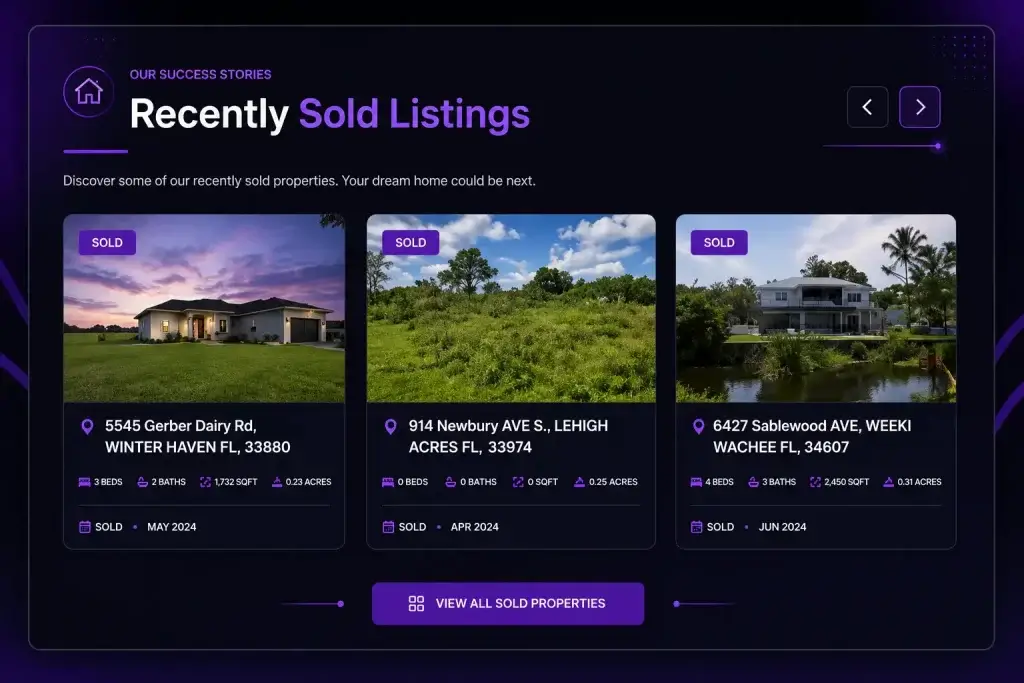
Recently Sold Properties
Showcase properties you’ve successfully sold.
Each case study can include:
- Property type
- Location
- Selling timeline
- Client success story
This demonstrates your ability to deliver results and builds confidence among future clients.
Make Contacting You Simple
Visitors shouldn’t have to search for your contact details.
Every important page should include clear contact options such as:
- Click-to-call phone number
- Contact form
- WhatsApp chat
- Email address
- Office address
- Google Maps
- Schedule a property viewing button
Reducing friction makes it easier for potential clients to take action.
Optimize Your Website for Mobile Users
More than half of property searches happen on smartphones and tablets.
A mobile-friendly real estate website should allow visitors to:
- Browse listings easily
- View photos without zooming
- Use search filters
- Contact an agent instantly
- Book property viewings
- Share listings with family members
A responsive website improves user experience and helps increase lead conversions.
Use Clear Calls-to-Action (CTAs)
Every page should encourage visitors to take the next step.
Examples of effective CTAs include:
- Schedule a Property Viewing
- Request More Information
- Get a Free Property Valuation
- Talk to a Real Estate Expert
- Book a Consultation
- Find Your Dream Home Today
Place these buttons strategically on:
- Homepage
- Property listings
- Agent profiles
- Blog articles
- Contact page
Strong CTAs guide visitors toward becoming qualified leads.
Why SEO Is Essential for Real Estate Websites
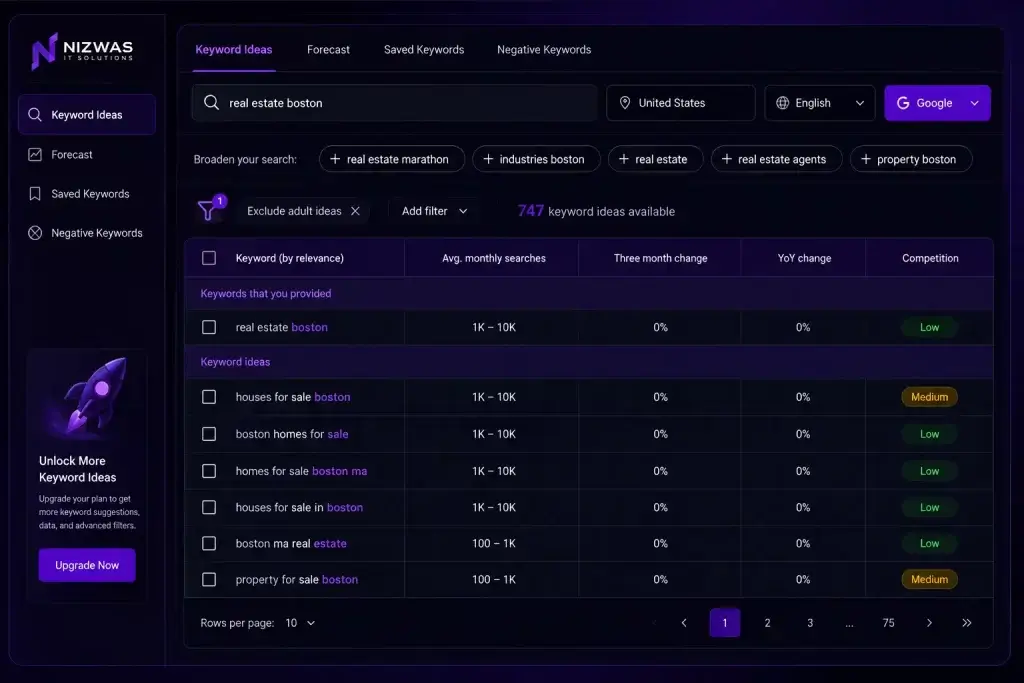
Having a beautiful real estate website is only the beginning. To generate consistent leads, potential buyers and sellers need to find your website when they search on Google.
Every day, thousands of people search for real estate-related terms such as:
- Homes for sale near me
- Real estate agent in [City]
- Apartments for sale
- Luxury villas
- Commercial properties
- Property investment opportunities
- Sell my house fast
- Best real estate agency
If your website appears on the first page of Google, you’ll receive significantly more visitors without paying for every click through advertising.
Search Engine Optimization (SEO) helps improve your website’s visibility, allowing you to attract highly targeted visitors who are actively looking for real estate services.
Focus on Local SEO to Reach Nearby Buyers and Sellers
Real estate is a location-based business. People don’t search for properties anywhere—they search within specific cities, neighborhoods, or communities.
Local SEO helps your website appear when users search for properties or real estate agents in your service area.
Examples include:
- Real estate agent in Miami
- Homes for sale in Dallas
- Apartments for rent in Chicago
- Luxury villas in Los Angeles
- Property dealers in Austin
Optimizing your website for these local searches increases your chances of attracting qualified buyers and sellers who are ready to take action.
Create Dedicated Pages for Every Service
Instead of combining all your services on one page, create dedicated landing pages for each service.
Examples of Service Pages
- Residential Property Sales
- Commercial Real Estate
- Property Buying Services
- Property Selling Services
- Rental Property Management
- Luxury Homes
- New Construction Properties
- Investment Properties
- Property Valuation
- Real Estate Consulting
- Mortgage Assistance
- Relocation Services
Each service page should explain:
What the Service Includes
Provide a detailed explanation of the service and how it benefits your clients.
Who It’s Best For
Describe the type of customer who would benefit most from the service.
Why Choose Your Agency
Highlight your experience, market knowledge, negotiation skills, and customer success stories.
Strong Call-to-Action
Encourage visitors to:
- Request a consultation
- Schedule a property viewing
- Get a free valuation
- Contact an agent
Dedicated service pages help Google understand your expertise while improving your chances of ranking for multiple keywords.
Create Location Pages for Every City You Serve
One of the most effective SEO strategies is creating unique landing pages for every city or neighborhood where you operate.
Examples
- Real Estate Agent in New York
- Homes for Sale in Houston
- Apartments in Phoenix
- Luxury Homes in San Diego
- Commercial Properties in Seattle
- Property Dealers in Atlanta
Each page should include:
- Local market insights
- Featured listings
- Popular neighborhoods
- Nearby schools and amenities
- Buyer and seller guides
- Customer testimonials from the area
- Contact details
Avoid duplicating the same content across multiple location pages. Unique, location-specific information improves rankings and user experience.
Publish Helpful Real Estate Blog Content
A regularly updated blog helps your website rank for informational searches while building trust with potential clients.
Useful blog topics include:
For Buyers
- First-Time Home Buyer’s Guide
- How Much Down Payment Do You Need?
- Questions to Ask Before Buying a Home
- Understanding Mortgage Options
- Tips for Buying Investment Property
For Sellers
- How to Prepare Your Home for Sale
- Home Staging Tips That Increase Property Value
- Common Mistakes Home Sellers Make
- Best Time to Sell a House
- How to Price Your Home Correctly
Market Updates
- Monthly Real Estate Market Trends
- Housing Price Predictions
- Interest Rate Updates
- New Residential Projects
- Best Neighborhoods to Invest In
Publishing valuable content consistently helps your website attract organic traffic and positions your agency as a trusted industry expert.
Optimize Every Property Listing for Search Engines
Every property listing is an opportunity to rank in Google.
Make sure each listing includes:
SEO-Friendly Title
Example:
3 Bedroom Luxury Apartment for Sale in Downtown Miami
Optimized Meta Description
Write a compelling summary that encourages users to click.
Keyword-Rich Property Description
Naturally include keywords related to:
- Property type
- Location
- Features
- Nearby landmarks
- Amenities
Image Optimization
Use:
- Descriptive file names
- ALT text
- Compressed images for faster loading
Optimized property pages can appear in Google Search and Google Images, bringing even more traffic to your website.
Build Long-Term Organic Traffic
Unlike paid ads that stop generating leads when your budget ends, SEO delivers long-term results.
As your website gains authority through quality content and optimization, you’ll benefit from:
- Higher Google rankings
- Increased organic traffic
- More qualified buyer and seller inquiries
- Better brand recognition
- Lower customer acquisition costs
- Consistent lead generation throughout the year
A strong SEO strategy transforms your real estate website into a reliable source of high-quality leads and sustainable business growth.
Why SEO Is Essential for Real Estate Websites
Having a beautiful real estate website is only the beginning. To generate consistent leads, potential buyers and sellers need to find your website when they search on Google.
Every day, thousands of people search for real estate-related terms such as:
- Homes for sale near me
- Real estate agent in [City]
- Apartments for sale
- Luxury villas
- Commercial properties
- Property investment opportunities
- Sell my house fast
- Best real estate agency
If your website appears on the first page of Google, you’ll receive significantly more visitors without paying for every click through advertising.
Search Engine Optimization (SEO) helps improve your website’s visibility, allowing you to attract highly targeted visitors who are actively looking for real estate services.
Focus on Local SEO to Reach Nearby Buyers and Sellers
Real estate is a location-based business. People don’t search for properties anywhere—they search within specific cities, neighborhoods, or communities.
Local SEO helps your website appear when users search for properties or real estate agents in your service area.
Examples include:
- Real estate agent in Miami
- Homes for sale in Dallas
- Apartments for rent in Chicago
- Luxury villas in Los Angeles
- Property dealers in Austin
Optimizing your website for these local searches increases your chances of attracting qualified buyers and sellers who are ready to take action.
Create Dedicated Pages for Every Service
Instead of combining all your services on one page, create dedicated landing pages for each service.
Examples of Service Pages
- Residential Property Sales
- Commercial Real Estate
- Property Buying Services
- Property Selling Services
- Rental Property Management
- Luxury Homes
- New Construction Properties
- Investment Properties
- Property Valuation
- Real Estate Consulting
- Mortgage Assistance
- Relocation Services
Each service page should explain:
What the Service Includes
Provide a detailed explanation of the service and how it benefits your clients.
Who It’s Best For
Describe the type of customer who would benefit most from the service.
Why Choose Your Agency
Highlight your experience, market knowledge, negotiation skills, and customer success stories.
Strong Call-to-Action
Encourage visitors to:
- Request a consultation
- Schedule a property viewing
- Get a free valuation
- Contact an agent
Dedicated service pages help Google understand your expertise while improving your chances of ranking for multiple keywords.
Create Location Pages for Every City You Serve
One of the most effective SEO strategies is creating unique landing pages for every city or neighborhood where you operate.
Examples
- Real Estate Agent in New York
- Homes for Sale in Houston
- Apartments in Phoenix
- Luxury Homes in San Diego
- Commercial Properties in Seattle
- Property Dealers in Atlanta
Each page should include:
- Local market insights
- Featured listings
- Popular neighborhoods
- Nearby schools and amenities
- Buyer and seller guides
- Customer testimonials from the area
- Contact details
Avoid duplicating the same content across multiple location pages. Unique, location-specific information improves rankings and user experience.
Publish Helpful Real Estate Blog Content
A regularly updated blog helps your website rank for informational searches while building trust with potential clients.
Useful blog topics include:
H3: For Buyers
- First-Time Home Buyer’s Guide
- How Much Down Payment Do You Need?
- Questions to Ask Before Buying a Home
- Understanding Mortgage Options
- Tips for Buying Investment Property
For Sellers
- How to Prepare Your Home for Sale
- Home Staging Tips That Increase Property Value
- Common Mistakes Home Sellers Make
- Best Time to Sell a House
- How to Price Your Home Correctly
Market Updates
- Monthly Real Estate Market Trends
- Housing Price Predictions
- Interest Rate Updates
- New Residential Projects
- Best Neighborhoods to Invest In
Publishing valuable content consistently helps your website attract organic traffic and positions your agency as a trusted industry expert.
Optimize Every Property Listing for Search Engines
Every property listing is an opportunity to rank in Google.
Make sure each listing includes:
SEO-Friendly Title
Example:
3 Bedroom Luxury Apartment for Sale in Downtown Miami
Optimized Meta Description
Write a compelling summary that encourages users to click.
Keyword-Rich Property Description
Naturally include keywords related to:
- Property type
- Location
- Features
- Nearby landmarks
- Amenities
Image Optimization
Use:
- Descriptive file names
- ALT text
- Compressed images for faster loading
Optimized property pages can appear in Google Search and Google Images, bringing even more traffic to your website.
Build Long-Term Organic Traffic
Unlike paid ads that stop generating leads when your budget ends, SEO delivers long-term results.
As your website gains authority through quality content and optimization, you’ll benefit from:
- Higher Google rankings
- Increased organic traffic
- More qualified buyer and seller inquiries
- Better brand recognition
- Lower customer acquisition costs
- Consistent lead generation throughout the year
A strong SEO strategy transforms your real estate website into a reliable source of high-quality leads and sustainable business growth.
Is Your Real Estate Website Losing Potential Clients?
Many real estate businesses invest in a website but fail to generate consistent leads because of avoidable mistakes.
Even if your agency offers excellent services and premium property listings, a poorly optimized website can discourage visitors from contacting you.
Fortunately, these issues can be fixed with the right strategy. By improving your website’s performance, usability, and SEO, you can attract more visitors and convert them into qualified buyers and sellers.
1. Slow Website Loading Speed
Website speed has a direct impact on both user experience and Google rankings.
Home buyers expect pages to load quickly. If your website takes too long to display listings or property images, visitors may leave before exploring your services.
How to Improve Website Speed
- Compress property images
- Use next-generation image formats like WebP
- Enable browser caching
- Minify CSS and JavaScript files
- Use a Content Delivery Network (CDN)
- Choose reliable web hosting
- Optimize Core Web Vitals
- Implement lazy loading for property galleries
A fast website improves user satisfaction and increases the chances of generating inquiries.
2. Poor Mobile Experience
Most property searches now happen on smartphones.
If visitors struggle to browse listings, fill out forms, or contact your agents on mobile devices, they are likely to leave and choose another agency.
Mobile Optimization Checklist
- Responsive design
- Large, touch-friendly buttons
- Click-to-call phone numbers
- Fast-loading property pages
- Easy-to-use search filters
- Mobile-friendly inquiry forms
- Optimized property image galleries
A mobile-friendly website keeps users engaged and improves lead conversion rates.
3. Weak or Missing Local SEO
Real estate is one of the most location-dependent industries.
If your website isn’t optimized for the cities and neighborhoods you serve, you’ll miss valuable local traffic.
Improve Local SEO By
- Creating city-specific landing pages
- Adding neighborhood guides
- Optimizing Google Business Profile
- Using local keywords naturally
- Displaying consistent Name, Address, and Phone Number (NAP)
- Embedding Google Maps
- Collecting customer reviews
- Adding Local Business schema markup
Strong Local SEO helps your business appear in Google Search and Google Maps for high-intent local searches.
4. Poor Quality Property Listings
Property listings are the heart of any real estate website.
Incomplete or low-quality listings reduce trust and generate fewer inquiries.
Every Listing Should Include
- Professional photographs
- Detailed property description
- Property features
- Floor plans
- Video walkthroughs
- Virtual tours
- Google Maps location
- Nearby schools and amenities
- Property specifications
- Inquiry form
- Agent contact details
Detailed listings keep visitors engaged and improve SEO.
5. No Clear Lead Capture Strategy
Many websites receive traffic but fail to convert visitors because they don’t encourage users to take action.
Every page should have a clear objective.
Include Lead Capture Opportunities
- Request Property Details
- Book a Viewing
- Get a Free Home Valuation
- Download Property Brochure
- Contact an Agent
- Schedule a Consultation
Place these forms and buttons prominently throughout your website.
6. Ignoring Website Security and Maintenance
A neglected website can quickly become outdated, vulnerable to cyber threats, and less effective at generating leads.
Regular maintenance ensures your website remains secure, reliable, and high-performing.
Website Maintenance Checklist
- Update WordPress core
- Update themes and plugins
- Perform regular backups
- Renew SSL certificates
- Monitor website uptime
- Scan for malware
- Fix broken links
- Test contact forms regularly
- Review website performance monthly
A secure website protects your business reputation and builds customer trust.
Integrate Your Website with Other Marketing Channels
Your website should be the central hub of all your digital marketing efforts.
Connect it with platforms that help attract, engage, and convert potential buyers and sellers.
Recommended Integrations
Google Business Profile
Improve local visibility and generate more phone calls, website visits, and direction requests.
Social Media
Share property listings and market updates on:
- YouTube
Email Marketing
Keep your audience informed with:
- New property listings
- Market insights
- Open house invitations
- Price reductions
- Investment opportunities
CRM Integration
Connect your website with a Customer Relationship Management (CRM) system to:
- Store leads automatically
- Track inquiries
- Assign leads to agents
- Schedule follow-ups
- Improve response times
Popular CRM platforms include HubSpot, Zoho CRM, Salesforce, and real estate-specific CRMs.
Invest in Long-Term Growth
A successful real estate website is never truly finished. It should continue evolving as your business grows and market trends change.
Focus on continuous improvement by:
- Publishing new blog articles regularly
- Updating property listings
- Improving page speed
- Collecting client reviews
- Adding new service areas
- Monitoring SEO performance
- Optimizing conversion rates
- Analyzing visitor behavior
Over time, these improvements increase your visibility in search engines, strengthen your online reputation, and generate a steady flow of qualified leads.
Conclusion
A professional real estate website is much more than a place to showcase property listings—it’s one of the most powerful lead generation tools your business can own.
Whether you help clients buy, sell, rent, or invest in real estate, your website should be designed to attract visitors, build trust, and convert them into qualified leads.
A successful real estate website combines:
- Fast loading speed
- Mobile-friendly design
- Advanced property search
- SEO-optimized service pages
- City and neighborhood landing pages
- High-quality property images
- Strong calls-to-action
- Online inquiry forms
- Customer testimonials
- Valuable blog content
Unlike paid advertising that stops delivering results when your budget runs out, an SEO-optimized website continues attracting buyers and sellers through Google Search every day.
By regularly updating your property listings, publishing helpful content, improving website performance, and optimizing for search engines, your website becomes a long-term business asset that consistently generates high-quality leads.
If your current real estate website isn’t bringing in enough inquiries, now is the perfect time to improve it with modern design, SEO, and conversion-focused features.
Frequently Asked Questions (FAQs)
1. Why does every real estate business need a website?
A professional website helps buyers and sellers discover your business online, browse available properties, learn about your services, and contact your agents quickly. It also builds trust and improves your visibility in Google Search.
2. How can a real estate website generate more leads?
A well-optimized website generates leads by:
- Ranking on Google for local property searches
- Showcasing property listings
- Capturing inquiries through forms
- Displaying customer testimonials
- Providing click-to-call options
- Offering free property valuations
- Publishing useful real estate content
3. What features should every real estate website include?
Every professional real estate website should have:
- Property search functionality
- Individual property pages
- Agent profiles
- Contact forms
- Property inquiry buttons
- Mobile-responsive design
- Google Maps integration
- Customer testimonials
- Blog section
- FAQ page
4. What is Local SEO for real estate?
Local SEO helps your website appear in Google Search and Google Maps when people search for real estate services in your city or neighborhood, making it easier for nearby buyers and sellers to find your business.
5. How often should I update my real estate website?
You should update your website regularly by:
- Adding new property listings
- Removing sold properties
- Publishing blog posts
- Updating market trends
- Adding customer reviews
- Improving SEO
- Performing website maintenance
6. Is a mobile-friendly website important for real estate?
Yes. Most property buyers search using smartphones. A responsive website makes it easier to browse listings, view images, contact agents, and request property viewings from any device.
7. How does blogging help real estate SEO?
Publishing informative blog articles helps your website rank for more keywords, attracts organic traffic, builds trust with potential clients, and positions your agency as an industry expert.